
Sailing Holiday Guide
Good passage planning starts long before you leave the marina. By carefully considering your boat, crew, weather, route and backup options, you can sail more safely and enjoy a far more relaxed holiday on the water.
The best sailing holidays rarely begin at the dock. They often start weeks earlier, around a kitchen table, with a nautical chart spread out, a first look at the cruising area, and a rough idea of where the journey might lead.
That is exactly what passage planning is about. It means planning a sailing trip not only around dream destinations, but around real conditions: distances, wind direction, tides, alternative harbours, safety margins and the experience level of the crew.
Good planning does not take away the freedom of a sailing holiday. On the contrary, it creates the structure that allows you to stay flexible, safe and relaxed throughout the trip.
Many sailors spend a great deal of time looking for the most beautiful bay or the perfect waterfront restaurant. The actual planning of the route is sometimes underestimated. Yet it is precisely this preparation that determines how safe, realistic and enjoyable the days at sea will be.
Good passage planning means looking beyond a line on a chart. It means connecting the route with real-life conditions. How far is the next leg? Does it suit the forecast wind direction? Is there shelter if the weather changes? How experienced is the crew? And what happens if the planned destination cannot be reached?
The real advantage
Experienced skippers do not plan just one perfect route. They plan several good options. That flexibility is often what makes a sailing holiday safer and more enjoyable.
Proper preparation reduces stress, supports clearer decision-making and ensures that the success of the sailing holiday does not depend on luck alone.
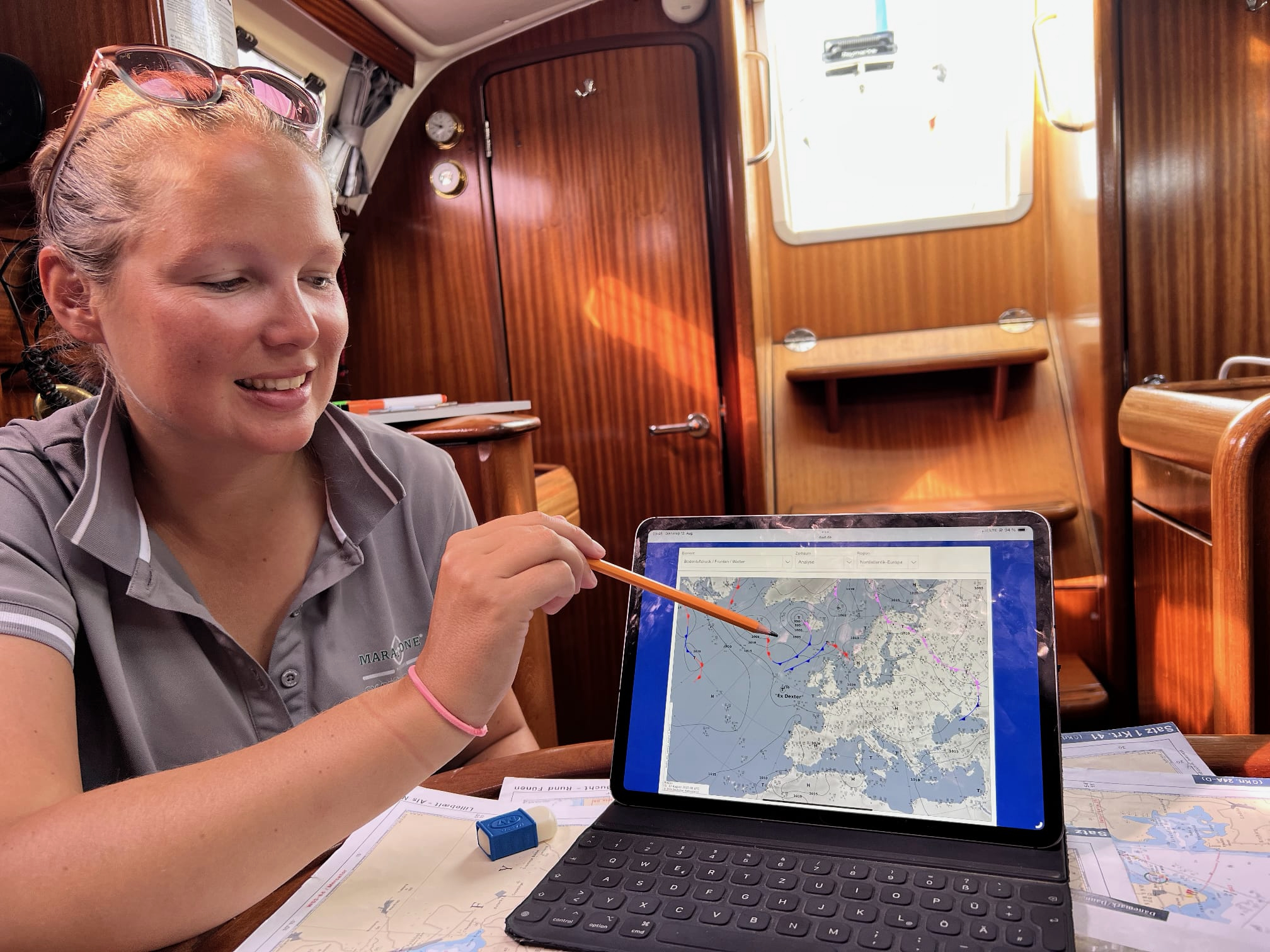
Every sailing trip is different, but solid planning almost always follows the same basic principles. Before choosing individual waypoints or daily stops, three key questions should be answered: Which boat will you be sailing? Who will be on board? And what cruising area will you explore?
These three elements influence one another. A performance monohull is suited to different routes than a spacious catamaran. An experienced crew can handle longer legs more comfortably than a group sailing for the first time. And a cruising area that looks simple on paper may become more demanding because of currents, local winds or heavy commercial traffic.
A route should never be planned in isolation. Only when boat, crew and cruising area are considered together does a sailing itinerary become realistic.
The choice of boat influences the entire route. A monohull generally performs better upwind and offers a more classic sailing experience. A catamaran, on the other hand, provides greater stability, more space and often a shallower draft, which can be a real advantage in sheltered anchorages and shallow bays.
The crew deserves just as much attention as the boat. Are there beginners on board? Does anyone tend to suffer from seasickness? Is the group comfortable with longer passages, or would shorter legs with more frequent stops be more enjoyable?
Good sailing route planning is not based on the most ambitious crew member, but on the person who needs the most comfort and security. This helps make the sailing holiday enjoyable for everyone.
A skipper’s perspective
A good sailing plan is not the one with the most nautical miles. It is the one where crew, boat and weather conditions realistically work together.
The boat you choose shapes the whole sailing experience: space, comfort, route options and daily distances. Start with the type of holiday you want, then find the yacht that fits it.
Book your boatMany sailing itineraries begin with a dream destination: a famous island, a beautiful bay or a harbour the crew really wants to visit. That is a good starting point, but it is not yet a complete route.
Dream destinations become realistic sailing legs only when distances, daylight, wind direction, possible anchorages and backup options are taken into account. It is especially important not to plan too tightly. A sailing trip needs margins: for weather, crew, technical issues and spontaneous decisions.
| 1. Collect dream destinations | Which places does the crew really want to see? |
| 2. Check distances | How many nautical miles lie between each stop? |
| 3. Mark alternatives | Which harbours or bays are safe if the plan changes? |
| 4. Add time buffers | Is there enough flexibility for wind, weather and the return leg? |
A useful rule of thumb: the furthest destination should ideally be reached within roughly the first third of the trip. This leaves enough time for the return journey and for any necessary adjustments along the way.
Plotters, tablets and navigation apps make route planning much easier today. Still, a paper nautical chart remains an important tool. It provides a quick overview of the entire route, possible hazards, shallows, traffic zones and backup options.
The waypoints planned on a paper chart can then be transferred to the electronic navigation system. It is also useful to prepare a short overview with courses, bearings, landmarks and relevant navigation aids.
If GPS or electronics fail, this preparation becomes invaluable. By regularly recording position, course and speed in the logbook, you can continue navigating safely using traditional methods.
Not every cruising area allows for spontaneous decisions. In tidal waters, water levels, current direction and harbour entry times can determine whether a passage is safe or not.
Shallows that appear harmless at high water may become dangerous at low water. Currents can set the boat noticeably off course. If these factors are not considered, you may lose time or end up in an uncomfortable situation.
In more demanding cruising areas, passage planning is not only about asking “Where are we going?” but also “When is the right moment to go?”
Local rules should also be checked. Are there protected marine areas, speed limits, special right-of-way rules, traffic separation schemes or heavy commercial traffic? Important VHF channels should also be included in the passage plan.
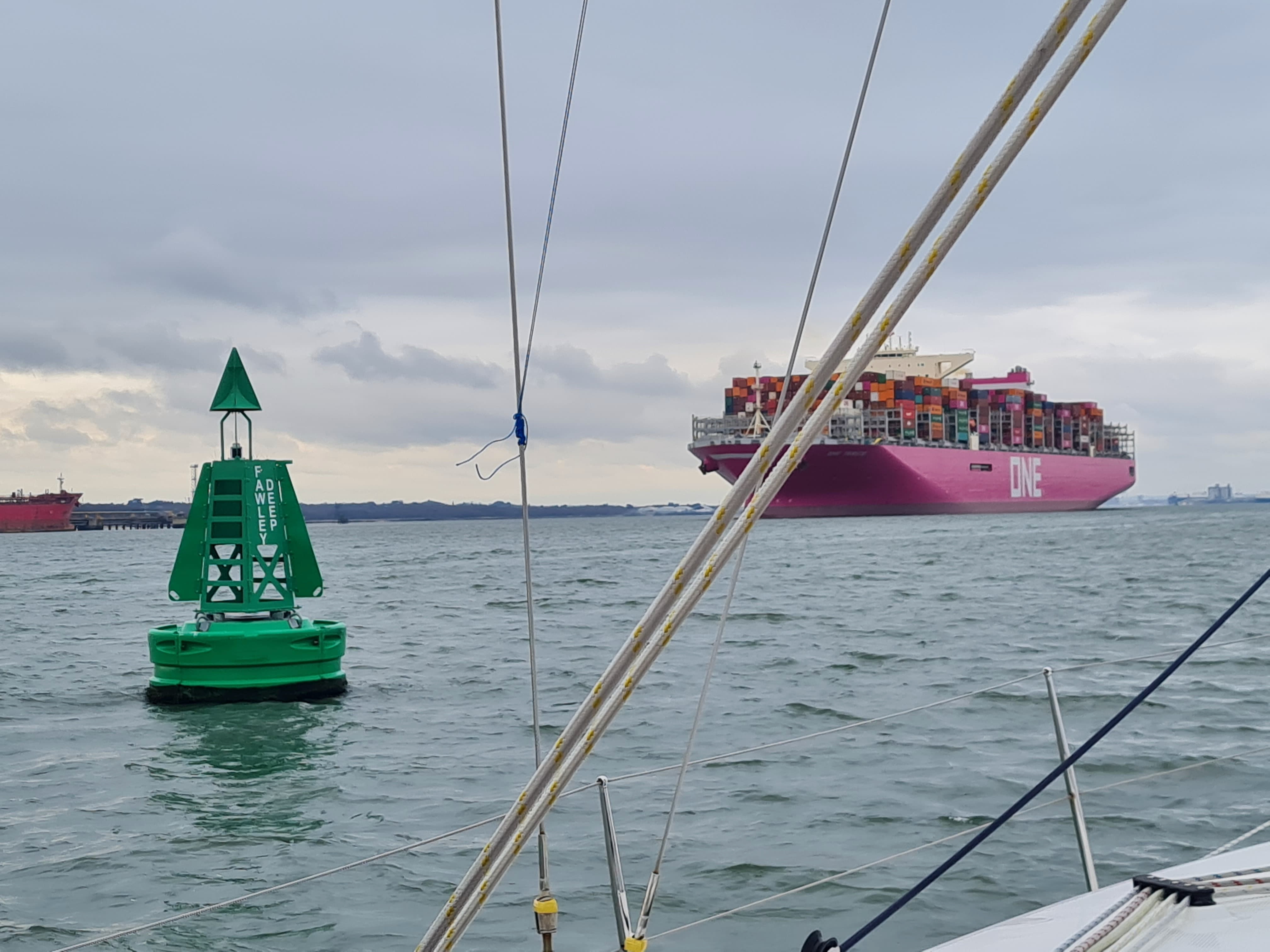
Weather is the most dynamic part of any sailing plan. A route that looks perfect on the chart can quickly become uncomfortable or unsafe with unfavourable wind or sea conditions.
That is why each day should begin with an updated weather check. Wind direction, wind strength, gusts, sea state, visibility and local effects all influence whether a passage is sensible.
A beam reach is often comfortable and efficient. Long upwind passages can put much more strain on both crew and boat. Downwind sailing may seem relaxed at first, but with following seas it can become uncomfortable and requires careful steering.
No destination is more important than safety on board. If the conditions are not right, a shorter leg or an extra day in harbour is often the best decision.
Ready to plan your own route?
Whether you prefer a classic sailing yacht or a comfortable catamaran, the right boat makes every stage of the journey easier to plan.
Search available boatsA passage plan is not a document to be forgotten once the boat leaves the marina. It should be actively used, checked and adjusted throughout the trip.
Before each leg, it is wise to share the day’s plan with someone ashore: the intended route, destination harbour or anchorage, approximate arrival time and possible alternatives. If the crew does not check in as agreed, that person can react in an emergency.
Clear documentation also helps on board. Ticking off waypoints, entering positions in the logbook, and regularly recording course and speed may sound simple, but it can make a real difference if something goes wrong.

This keeps the passage plan practical and useful, rather than simply a theoretical preparation.
Good planning does not prevent every surprise. It is not supposed to. Sailing remains alive, weather-dependent and sometimes unpredictable. That is exactly why preparation is so valuable.
When you know your route, have prepared alternatives and respect the limits of both boat and crew, decisions become calmer and clearer. Maybe you stay one more night in a sheltered bay. Maybe you shorten a leg. Maybe a change of plan becomes the best moment of the trip.
In the end, good passage planning is not a restriction. It is the foundation for more freedom on the water.
Before you cast off
The goal of passage planning is not to control every moment of your sailing holiday. It is to give you enough clarity to enjoy the unexpected: a quieter bay, a better wind angle, a slower morning, or a safer decision when the weather changes.
Plan the route. Know your distances, timings, weather windows and alternatives.
Respect the crew. Choose daily legs that match the experience and comfort level on board.
Stay flexible. The best sailing days often come from adapting the plan at the right time.
Article written by
Maren Christoffer
Sailing Instructor

€ 4,040
price of the whole boat

€ 2,240
price of the whole boat

€ 1,658
price of the whole boat

€ 4,760
price of the whole boat

€ 5,355
price of the whole boat

€ 2,975
price of the whole boat

€ 2,480
price of the whole boat

€ 2,635
price of the whole boat
Our regular email newsletters include information about our boats, holiday ideas, destination insights and cultural briefings. You can unsubscribe at any time and we'll treat your data with respect, never passing on your details to third parties. Find full details of our data management in our Privacy policy page
By signing up, I agree to Master Yachting's T&C's and Privacy policy

Looking for inspiration for your next sailing holiday? Packed with insights on trending sailing destinations plus stories from expert sailors and first-timers, our brand new digital magazine - Magister Navis - will guide your way to your next sail.
View magazine

